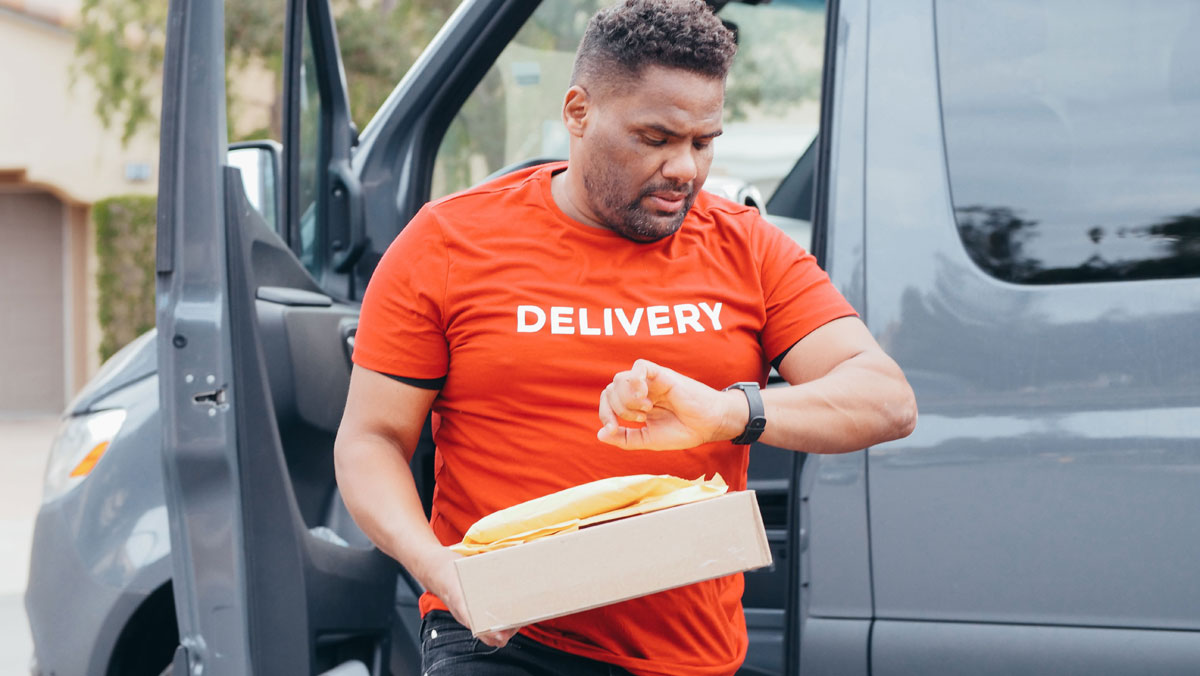
 Photo by Kindel Media on Pexels
Last-mile delivery has become one of the most important parts of modern logistics. It is also one of the hardest to manage. Packages may move smoothly through warehouses, cross-docks, and regional hubs, but the final stretch to the customer can still cause delays, higher costs, and unhappy shoppers. That is where enterprise last-mile delivery platforms step in.
These platforms help us plan routes, assign deliveries, track vehicles in real time, optimize driver performance, and improve the customer experience. They bring more control to a process that often changes by the hour. For companies moving large volumes, the right platform can reduce failed deliveries, cut fuel waste, and make operations far easier to coordinate.
In this article, we will look at five enterprise last-mile delivery platforms that support smarter shipping. We will also explore what makes each one useful, who it is best for, and what kinds of delivery operations it can support.
The last mile is expensive, complicated, and highly visible. Customers do not usually think about the first two stages of shipping, but they do notice when a package arrives late or when tracking information stops updating. That means businesses need tools that keep every delivery on schedule and every customer informed.
A strong last-mile platform helps us with:
Without these tools, operations teams often rely on spreadsheets, phone calls, and disconnected systems. That works for a while, but it becomes difficult to scale. Enterprise platforms create a single place to manage the entire delivery process, which helps reduce errors and improve efficiency.
Before comparing platforms, it helps to know what matters most.
Good route planning does more than shorten drive time. It also considers delivery windows, vehicle capacity, traffic patterns, stop density, and driver schedules. The best systems can adjust routes as conditions change.
Operations teams need to know where each driver is, which stops are completed, and where delays are building. Real-time visibility helps us react quickly when something goes wrong.
Delivery updates matter. Customers want accurate ETAs, notifications about delays, and proof that a package was delivered. Some platforms even support branded tracking pages and SMS alerts.
Enterprise shipping operations often cover multiple regions, fleet types, and warehouse locations. A platform should support that complexity without becoming harder to manage.
A last-mile system should connect with warehouse management systems, order management platforms, ERP software, and customer service tools. Smooth integration keeps the workflow consistent from order creation to final delivery.
Bringg is one of the best-known enterprise platforms for last-mile delivery orchestration. It is designed to help us manage delivery operations across owned fleets, third-party carriers, and gig drivers, all from one system.
Bringg focuses on orchestration rather than only routing. That means it helps coordinate many moving parts at once. For large companies that use mixed delivery models, that can be a major advantage.
The platform supports dynamic routing, real-time tracking, driver dispatch, and delivery updates. It also offers customer communication tools, including branded tracking and notifications. Because it is built for enterprise use, it can handle complex workflows and large delivery volumes.
Bringg works well for:
Bringg is powerful, but that also means setup and configuration can take time. Teams with simple delivery needs may find it more robust than necessary. It shines when we need to manage a complex last-mile network.
Onfleet is a popular delivery management platform known for ease of use and fast deployment. While it is widely used by smaller operations, it also serves enterprise teams that want a clean interface and reliable delivery management features.
Onfleet gives us a practical mix of route planning, driver tracking, proof of delivery, and customer notifications. It is especially known for being intuitive, which can reduce training time for dispatchers and drivers.
The platform gives operations teams a clear view of delivery progress, while customers can receive live tracking and ETA updates. Onfleet also supports barcode scanning, electronic signatures, and photo proof of delivery, which can be valuable for accountability.
Onfleet is a strong fit for:
Onfleet is best when usability matters as much as operational depth. For very complex enterprise environments, some companies may want more advanced orchestration or deeper customization. Still, it handles core delivery tasks very well and remains a dependable choice.
OptimoRoute is built around route optimization, planning, and scheduling. It is a good choice for companies where efficient routing is the biggest challenge and where delivery or field service teams need to cover many stops each day.
OptimoRoute helps us create efficient routes based on multiple constraints, such as time windows, vehicle capacity, driver availability, and service time at each stop. It also supports recurring route planning, which saves time for operations that follow a regular schedule.
The platform gives dispatchers visibility into route progress and supports last-minute changes when orders are added or customers need rescheduling. That flexibility helps reduce wasted miles and improve punctuality.
OptimoRoute is a good fit for:
OptimoRoute is especially useful when route efficiency is the biggest priority. It may not be the broadest platform for customer engagement or multi-carrier orchestration, but it performs very well in routing-focused operations.
FarEye is an enterprise last-mile delivery platform built to help businesses improve shipping visibility, delivery flexibility, and customer experience. It is commonly used by large retailers, logistics providers, and brands that want more control over the final step of fulfillment.
FarEye brings together shipment tracking, route planning, dispatch management, and delivery experience tools. It is designed to support both planned deliveries and dynamic on-demand logistics.
One of its strengths is visibility across the delivery journey. We can track shipments in real time, monitor service levels, and identify bottlenecks before they become bigger problems. The platform also supports communication with customers, which helps manage expectations and reduce missed deliveries.
FarEye works well for:
FarEye tends to appeal to larger organizations with more layered operations. It is a solid option for businesses that want a platform built around delivery execution and visibility across the last mile.
DispatchTrack is another enterprise-focused delivery platform that centers on route optimization, real-time visibility, and delivery experience. It is often used in industries where precise scheduling and a reliable delivery promise are important.
DispatchTrack helps us manage delivery routing, track vehicles, communicate with customers, and handle proof of delivery. It is especially useful for businesses that need accurate delivery ETAs and strong appointment management.
The platform also emphasizes customer satisfaction. Customers can receive updates and track orders, which reduces uncertainty and improves trust. For operations teams, this means fewer calls asking, “Where is my order?”
DispatchTrack is a good fit for:
DispatchTrack is particularly helpful for delivery models where timing and communication matter as much as transport itself. It may be especially valuable for businesses delivering larger items that require planning, coordination, and a narrower delivery window.
Each platform has a different strength, and the best choice depends on what we need most.
Bringg stands out when we need to manage multiple delivery sources, fleets, and workflows from one system.
Onfleet is appealing when we want a straightforward system that teams can adopt quickly.
OptimoRoute is the strongest fit when route efficiency and scheduling are the main priorities.
FarEye works well when we need broad visibility and better control across the delivery journey.
DispatchTrack is especially useful when precise delivery windows and customer communication are central to the operation.
Last-mile delivery is more than a transportation problem. It affects customer loyalty, operational cost, and brand reputation. When deliveries run smoothly, we reduce support tickets, improve repeat purchases, and make better use of drivers and vehicles.
Smarter shipping can also help us:
That is why these platforms matter. They do not just help us move parcels, they help us run a more dependable delivery business.
Enterprise last-mile delivery platforms have become essential for businesses that want to ship faster, communicate better, and manage delivery complexity with less friction. Each of the five platforms we covered brings something different to the table.
Bringg is strong for orchestration, Onfleet is easy to use, OptimoRoute excels at routing, FarEye supports enterprise visibility, and DispatchTrack is a strong choice for scheduled and appointment-based delivery. The right fit depends on our delivery model, our customer expectations, and how much complexity we need to manage.
What matters most is choosing a platform that matches the way we actually deliver. When that happens, last-mile shipping becomes less of a headache and more of a competitive advantage.


Discover our other works at the following sites:
Danetsoft is a global web agency headquartered in Indonesia, specializing in web development, managed hosting, and web publishing platform.


 [email protected]
 Magelang, Central Java
 © 2026 Danetsoft. Powered by HTMLy