 Photo by Đức Trịnh on Unsplash
For a long time, connectivity felt like a background utility. We connected a phone to the internet, linked a laptop to Wi-Fi, or paired a speaker to an app, and that was enough. The connection itself was not the story, it was just the path that let something else happen.
That idea no longer fits the world we are building.
Today, connectivity shapes how devices behave, how quickly they respond, how much data they can handle, and how useful they become in the first place. It affects whether a hospital can monitor patients in real time, whether a warehouse can track thousands of assets without delays, and whether a vehicle can react to road conditions fast enough to support safer driving.
This is why 5G matters so much. It is not only a faster mobile network, it is part of a larger shift in how devices are designed, connected, and used. And as we move beyond 5G, the network itself is becoming a core part of the product experience.
We used to think of a device as the main thing and the network as support. That used to make sense when a device mostly performed a local task, and only occasionally reached out for data. Now, many devices depend on real-time communication just to function properly.
A smart thermostat has to talk to sensors and apps. A factory robot has to coordinate with other machines. A wearable health tracker may need to send updates continuously. A connected vehicle may need to exchange information with cloud services, traffic systems, and nearby infrastructure.
In that kind of environment, the quality of the network is not a side issue. It becomes part of the device itself. If the connection is weak, slow, or unstable, the device loses much of its value.
That is why modern connectivity is judged by more than speed alone. We also care about latency, reliability, coverage, capacity, and efficiency. These qualities decide whether a device is simply online, or truly useful.
5G got attention first because it promised faster data speeds, and that part matters. But its real significance goes deeper. It was built for a world with many more connected devices, more demanding applications, and much tighter timing requirements.
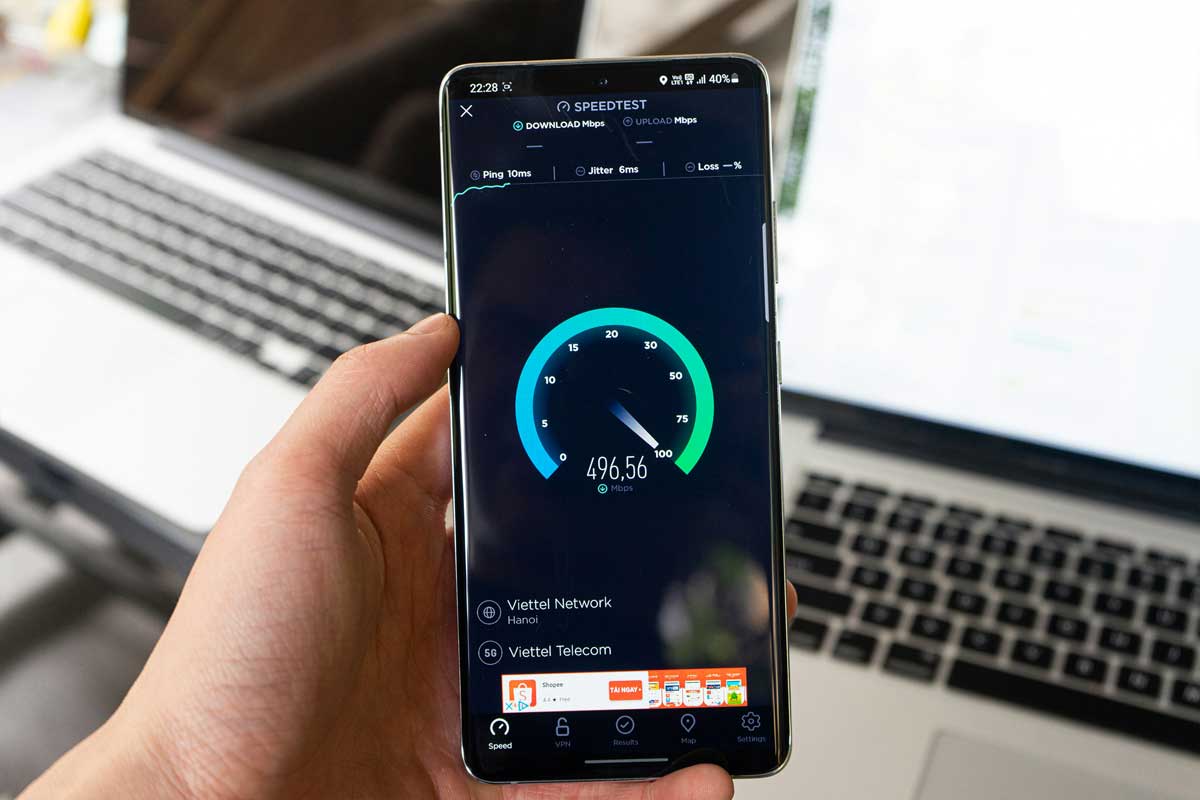
The obvious benefit is speed. Large downloads happen more quickly, video streams feel smoother, and cloud-based tools become easier to use on the move. That helps everyday users, but it also supports devices that move huge amounts of data all the time.
A connected camera system, a fleet of delivery devices, or an industrial inspection tool may all rely on high-throughput connections. Faster transfer rates make those workflows more practical.
Latency is the delay between sending a signal and receiving a response. In casual use, a small delay may not matter much. When we are watching a video or checking email, a short pause is easy to ignore. In other settings, though, latency can change everything.
A remote medical device, an autonomous machine, or a robotics system often needs an almost instant response. If the delay is too high, the system can become less efficient, less accurate, or less safe. 5G reduces that gap, which opens the door to applications that were too sensitive for older networks.
One of the biggest strengths of 5G is density. It can support a much larger number of devices in the same area without collapsing under the load. That matters in crowded cities, office towers, factories, stadiums, campuses, and smart homes full of connected products.
As more devices join the network, the challenge is not just getting them online, it is keeping them all responsive. 5G is designed to handle that pressure better than the generations before it.
Another advantage is efficiency. Many connected devices run on batteries, and in some cases they are installed in places where frequent maintenance is difficult or expensive. Better network design can help reduce power use in certain scenarios, which matters for wearables, remote sensors, and equipment that has to stay in the field for long periods.
The real story is not that 5G helps devices move data faster, it is that it changes what devices can become.
Smartphones were among the first products to show the value of 5G, but they are evolving into much more than communication tools. They are becoming remote controls for our digital environment.
With better connectivity, phones can support cloud gaming, high-resolution video calls, smoother augmented reality experiences, and faster app performance. They also serve as the main bridge between us and other connected devices, including cars, wearables, home systems, and health platforms.
That makes the smartphone less of a standalone product and more of a command center.
Wearables have grown far beyond step counting and notifications. Smartwatches, health bands, and even connected glasses now collect constant streams of information. They can monitor movement, heart rate, sleep, location, and more.
With stronger networks, those devices become more useful in real time. They can send alerts faster, sync more reliably, and support more advanced healthcare or fitness use cases. A wearable can become a small but important link between our bodies and the systems that help us stay informed and protected.
Factories and warehouses are changing fast. Machines, cameras, scanners, and sensors no longer work as isolated units. They are increasingly part of a shared environment where data flows continuously.
5G supports this shift by making communication faster and more dependable. That helps machines work in sync, gives operators better visibility, and allows teams to respond to problems sooner. The result is often less downtime, better safety, and more efficient production.
A lot of people hear about 5G in the context of big industries or future technologies, but the effects are already visible in ordinary life.
Our homes now include cameras, thermostats, speakers, locks, lights, sensors, and appliances that all communicate in different ways. The more devices we add, the more important stable connectivity becomes.
5G does not replace Wi-Fi in every home, but it adds another layer of support. It can help with coverage, reliability, and responsiveness, especially when many devices are active at once. That matters when we want automation to feel smooth rather than frustrating.
Streaming already changed how we watch and listen, and 5G makes that experience even more flexible. Video loads faster, sharing becomes easier, and live content feels more accessible when we are on the move.
It also supports newer forms of entertainment, such as cloud gaming and immersive media. These experiences often depend on low delay and steady connections, two areas where 5G can make a real difference.
Vehicles are no longer just machines with engines, they are software-heavy systems full of sensors and communication tools. They use data to improve navigation, safety, diagnostics, and comfort.
As connectivity improves, vehicles can exchange information with roads, traffic lights, cloud services, and nearby cars. That can improve traffic flow, support fleet management, and help create safer transportation systems over time.
One of the biggest changes happening alongside 5G is edge computing. This means moving some processing closer to where the data is created, instead of sending everything to a distant data center.
That matters because many devices need fast answers. If a system has to wait for a remote server every time it needs to make a decision, the delay can become a problem. By processing data closer to the source, we can reduce latency and improve reliability.
Edge computing also helps with privacy and efficiency in some cases. Not all data needs to travel far if the useful decision can be made locally. That is especially important for healthcare devices, industrial systems, and vehicles, where time and context matter a lot.
When edge computing and 5G work together, devices can feel more immediate and more intelligent. They can sense, process, and act with less delay between each step.
Artificial intelligence is showing up in more devices every year. Cameras can recognize patterns, machines can predict failures, and consumer products can personalize their behavior. But AI only works well when it has good data and a reliable path for that data to move.
This is where connectivity becomes essential. A smart device may need constant streams of information to learn and respond effectively. At the same time, AI can help networks by spotting congestion, forecasting demand, and improving traffic management.
That creates a useful cycle. Better networks help smarter devices, and smarter devices help networks run better. We are starting to see these systems work together instead of separately.
Some sectors stand out because they need precision, speed, and constant communication more than others.
Healthcare depends on trust and timing. Connected devices can support remote monitoring, emergency response, and equipment tracking inside hospitals and clinics.
This matters because it can extend care beyond the hospital room. Patients may be monitored from home, alerts may reach clinicians sooner, and medical systems may operate with more visibility. That does not replace human care, it gives us more ways to support it.
Manufacturing is one of the clearest examples of why advanced connectivity matters. Connected robots, cameras, sensors, and analytics systems can improve quality and reduce waste.
When machines can communicate without delay, production lines can become more flexible and more efficient. Problems can be identified earlier, maintenance can become more predictive, and operations can adapt more quickly to changes in demand.
Farming is becoming more data-driven every year. Sensors can track soil conditions, moisture, weather, crop health, and equipment performance.
With stronger connectivity, farmers can act on that information faster. That can lead to smarter irrigation, better yields, less waste, and more careful use of resources. In a field where timing matters, connectivity can be a powerful tool.
Shipping and delivery networks rely on visibility. When goods are moving through warehouses, ports, and trucks, connected devices help track location, condition, and timing.
Better connectivity improves that visibility in real time. That makes it easier to manage delays, reroute shipments, and respond to disruptions. In a world where supply chains are under constant pressure, that kind of responsiveness matters a lot.
Even with all the promise, there are real obstacles to making advanced connectivity work everywhere.
Not every region gets the same network quality. Cities often move faster than rural or underserved areas, which creates a gap in access. If connectivity is going to support the next wave of devices, it needs to be available beyond the most profitable locations.
Every new connected device adds another possible entry point. Cameras, wearables, sensors, and industrial systems all widen the attack surface. That means security cannot be an afterthought.
Strong authentication, encryption, patching, and careful device management all become more important as networks grow. The more connected our world becomes, the more we have to protect it.
Building new network infrastructure is expensive, and so is adapting devices to use it well. Businesses need a real use case, not just a technology upgrade for its own sake.
The value comes when connectivity solves a problem, improves a workflow, or makes a service more useful. Without that, the investment can be hard to justify.
More connected devices can mean more power use, both in the devices themselves and in the systems that support them. That makes efficiency a major concern.
If we want connectivity to keep expanding, we also need to think about sustainability. Smarter hardware, efficient network design, and better system planning will all play a role.
The next stage of connectivity is not only about faster speeds. It is about building networks that can adapt, learn, and support new forms of digital life.
Future systems will likely be more software-driven and more intelligent. They will manage traffic more dynamically, adjust priorities in real time, and support more specialized needs across different sectors.
We will also see tighter integration between connectivity, edge computing, and AI. That combination will shape how devices communicate and how quickly they can respond.
Instead of thinking of a device as something that simply connects to a network, we are moving toward a world where the device participates in the network, contributes to it, and depends on it in a deeper way.
Connectivity has moved from the edges of technology to the center of it. That shift changes how we design devices, how we use them, and what we expect them to do.
5G is a major step in that direction. It brings faster speeds, lower latency, greater device capacity, and better support for demanding applications. But its real importance lies in what it enables, smarter homes, more responsive healthcare, more efficient factories, connected transportation, and richer digital experiences.
As edge computing grows and future network generations take shape, we will rely even more on connectivity that is fast, reliable, and intelligent. The next wave of devices will not simply sit on top of the internet. They will be shaped by the network itself.
And that means connectivity is no longer just the path to digital life, it is becoming part of the life of the device itself.


Discover our other works at the following sites:
Danetsoft is a global web agency headquartered in Indonesia, specializing in web development, managed hosting, and web publishing platform.


 [email protected]
 Magelang, Central Java
 © 2026 Danetsoft. Powered by HTMLy