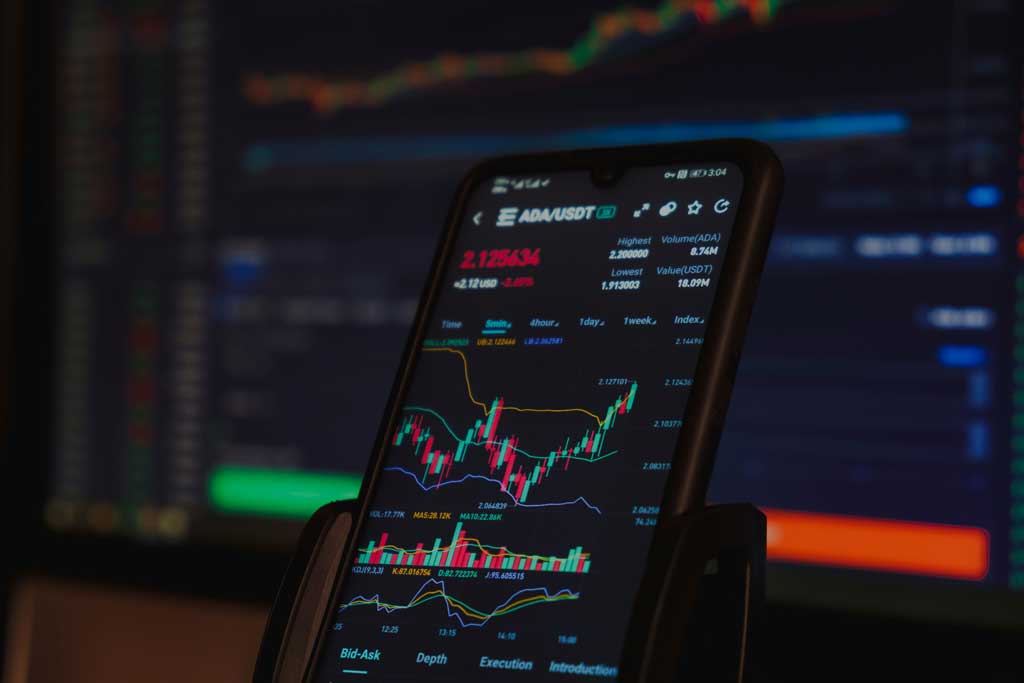
 Photo by Sajad Nori on Unsplash
From the beginning, cryptocurrency has reflected the mindset of its participants, evolving alongside the communities that use and believe in it. In its early years, cryptocurrency became widely associated with rapid price fluctuations and the notion that financial freedom could be achieved almost overnight. This “get rich quick” narrative dominated headlines and online communities, shaping how newcomers engaged with the space and influencing the public's understanding of its purpose.
Over time, that narrative began to shift. Market cycles tested the resilience of both projects and participants, while technological progress demonstrated what crypto could achieve beyond price speculation. Meanwhile, developers and long-term users quietly persevered, laying the groundwork for a culture centered on sustainable systems and meaningful participation.
Today, crypto increasingly emphasizes long-term value and community involvement. Tools and infrastructure, such as a Monero wallet for Monero (XMR), now signal alignment with principles like privacy and durability rather than short-term gains.
That cultural shift did not happen overnight. To understand why today’s crypto communities place greater emphasis on building and belonging, it is important to look back at how speculation first shaped the space.
In its formative years, cryptocurrency attracted participants primarily through opportunity rather than purpose. Sudden price increases and highly publicized gains created a narrative that framed digital assets as a shortcut to wealth. Communities formed around price predictions and hype cycles, while technical development and governance remained in the background for many users. Engagement was often transactional, driven by fear of missing out instead of a belief in what the technology could enable.
This speculative focus shaped behavior across the ecosystem. Projects raced for attention, fueled by aggressive marketing. Tokens appeared seemingly overnight, yet many lacked the foundations necessary for long-term sustainability. While this phase helped bring visibility and capital into the space, it also set unrealistic expectations and weakened trust when those expectations were not met.
Repeated boom-and-bust cycles eventually forced a reckoning. Market downturns exposed fragile projects that lacked strong fundamentals, and many participants exited once quick gains disappeared. These moments of contraction were disruptive, but they also reshaped crypto culture. They clarified which projects were built on short-term momentum and which were grounded in long-term vision.
As speculation receded, the ecosystem began to attract a different kind of participant that included developers and users motivated by resilience rather than hype. Trust shifted away from promises and toward transparency and consistency. This transition marked a turning point where staying power became more important than speed.
Out of these market corrections emerged a stronger focus on building. Those developers who remained through market downturns devoted themselves to building resilient networks. Security and infrastructure were top priorities, while usability improvements ensured that the technology could serve real users effectively. They also improved protocols and refined developer tools that shape user experiences.
Privacy-focused projects highlight this cultural shift. Developers maintain and refine infrastructure, including the ongoing development of a Monero wallet, to show that their priorities lie in principles and long-term durability rather than hype or quick gains. This focus on reliability and user trust creates systems that support a community-oriented, sustainable approach to crypto instead of short-term speculation.
As the culture evolved, so did the very concept of community within crypto. Early spaces often treated users as passive participants, where owning tokens was enough to be part of the network. Over time, communities shifted their focus toward active participation. Users were encouraged to contribute in meaningful ways, whether through governance votes or testing new protocols.
This approach reinforced the idea that the health of a network depends not only on its technology but also on the engagement and values of the people who use it. Participation became a way for individuals to have a real voice in shaping the networks they support, transforming crypto from a collection of speculative assets into a living, evolving ecosystem.
The concept of belonging has become a central pillar of modern crypto culture. Unlike early communities that often revolved around speculation or token ownership, today’s crypto spaces are increasingly organized around shared values such as decentralization, privacy, and user autonomy.
These communities give participants a sense of identity and purpose that goes beyond financial outcomes. Members feel part of something larger than themselves—a mission or vision they can contribute to and influence. This sense of cultural cohesion strengthens networks during turbulent times. When markets fluctuate or projects face challenges, participants remain engaged because their commitment is tied to shared principles and collective goals, not just short-term gains.
Speculation has not disappeared from crypto, but its role has changed. Bitcoin price can still attract attention and influence market sentiment, but they no longer define the entire ecosystem. Financial incentives continue to attract interest, yet they increasingly support ecosystems that demonstrate real utility and resilience.
This balance allows crypto to remain dynamic while reducing its reliance on hype-driven cycles. As narratives diversify, value is measured by price, usability, and the strength of the communities behind each project.
Crypto continues to evolve as a social and technological experiment in collective ownership and coordination. A culture centered on building and belonging opens the door to more inclusive participation and more durable systems. Now that new users are entering the space, they’re able to encounter an environment shaped less by speculation and more by shared purpose and long-term thinking.


Discover our other works at the following sites:
Danetsoft is a global web agency headquartered in Indonesia, specializing in web development, managed hosting, and web publishing platform.


 [email protected]
 Magelang, Central Java
 © 2026 Danetsoft. Powered by HTMLy