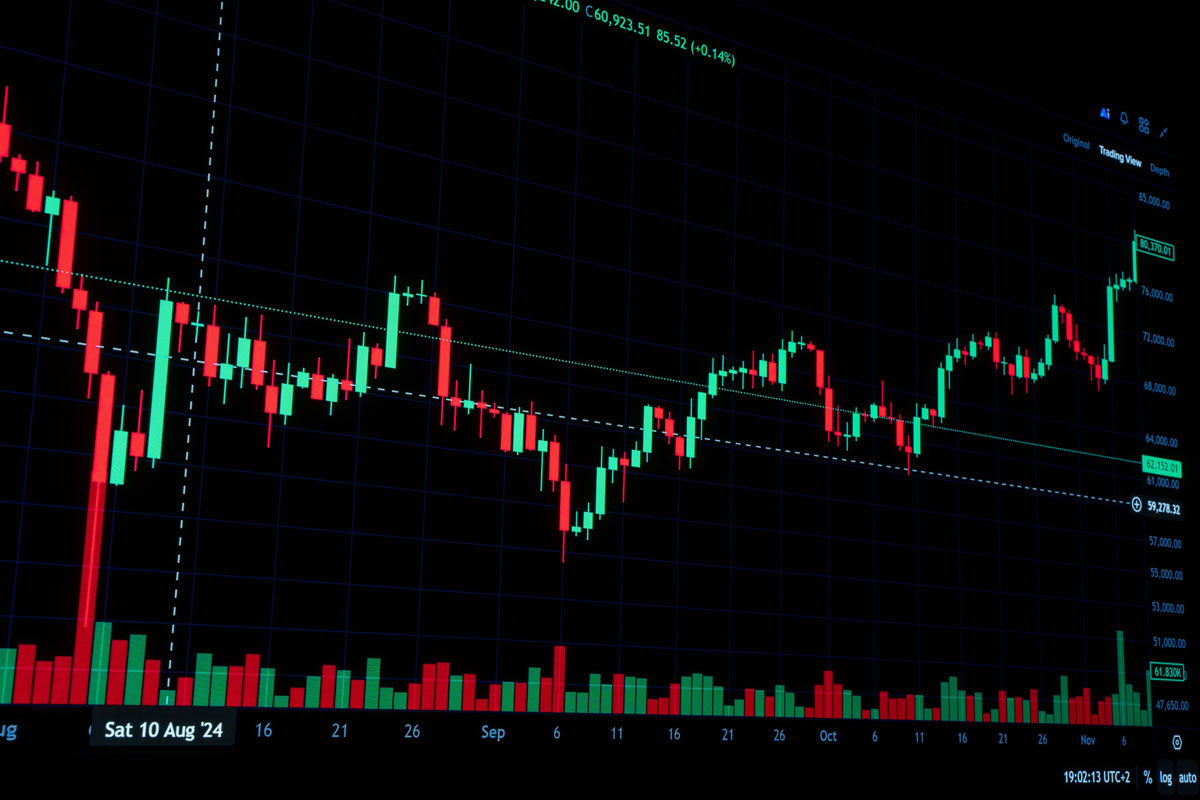
 Photo by Rafael Minguet Delgado on Pexels
Contracts for difference allow traders to speculate on price movements across financial markets without directly owning the underlying asset. Because CFDs are leveraged products, traders should understand costs, margin requirements, execution, and potential losses before trading.
For people exploring the UAE market, they can assess regulated CFD brokers in UAE by factors such as regulatory status, available instruments, platform features, fees, account conditions, and risk disclosures. A structured evaluation helps traders understand how different services operate and whether the associated risks and conditions align with their circumstances.
Understanding regulatory structures gives traders useful context when reviewing brokerage services, account conditions, and the protections that may apply to different types of market participants.
Traders should verify a broker's regulatory status through the relevant authority or official register before opening an account. Check the exact legal entity, licence number, jurisdiction, and activities covered by the authorisation. Regulatory status does not mean a trade will be profitable or eliminate market risk. Instead, it shows the regulatory framework under which a financial service operates.
Client classification can affect the conditions and protections applicable to an account. Retail and professional clients may have different eligibility requirements, product access, and regulatory treatment. Traders should therefore review account documentation carefully and understand which category applies to them. This can help clarify the services available, relevant requirements, and responsibilities before engaging with leveraged financial products.
CFD documentation can explain leverage, margin, trading costs, execution arrangements, and potential losses. Traders should read these materials before opening positions rather than relying solely on promotional information. Risk disclosures matter because leveraged products can magnify the impact of market movements. Understanding these documents can help users form realistic expectations about the financial commitments and risks involved.
Leverage allows traders to gain exposure to a position using a smaller amount of capital than the full value of the exposure. However, leverage can also magnify losses. Margin requirements determine how much capital you must maintain to support positions. Traders should understand how margin is calculated, what happens when equity declines, and when positions may be closed under applicable terms.
Brokerage conditions influence how traders open, manage, and close positions, making it important to evaluate costs, technology, execution, and account arrangements together.
CFD trading costs may include spreads, commissions, overnight financing, conversion charges, and other applicable fees. Overall costs can vary by instrument and account structure. Traders should review complete pricing information rather than focusing on a single advertised spread. Understanding the total cost of maintaining positions can help users make more meaningful comparisons between available account structures and trading services.
A trading platform provides tools used to monitor markets, analyse price movements, place orders, and manage positions. Traders can review charting tools, order types, alerts, mobile functionality, account information, and other features. Familiarity with the platform can also matter in fast-moving markets. Where demonstration facilities are available, users can explore platform functions before committing significant capital to live trading.
Execution arrangements can influence how orders are processed during changing market conditions. Traders should review information about execution methods, order handling, potential delays, and applicable terms. Prices can move quickly during volatile periods, meaning execution may differ from an expected price. Understanding these conditions can help traders set more realistic expectations for entering and exiting leveraged positions, rather than assuming every order will fill at a preferred price.
Account management involves more than placing trades. Users should review available deposit methods, withdrawal procedures, minimum funding requirements, verification processes, and applicable charges. Understanding these practical conditions can help avoid unnecessary administrative difficulties. Traders should also confirm which legal entity provides the relevant service and carefully review the terms that apply to their specific account before transferring funds.
Market participation requires awareness of leverage, costs, execution, regulatory considerations, and individual financial circumstances before making any trading decision. Traders should understand how different instruments work, review platform features, and assess the terms associated with each account before committing funds.
Growing interest in CFD trading in Dubai highlights the importance of understanding local market access, technology, risk disclosures, and regulatory requirements. Traders can compare available instruments, platform functionality, fees, account conditions, and applicable terms while researching regulated CFD brokers in UAE. Because leveraged products can result in substantial losses, evaluating these factors alongside personal objectives, trading experience, and risk tolerance remains essential. Careful research and realistic expectations can support more informed and responsible participation in CFD markets.
Understanding market behaviour helps traders assess opportunities while recognising that prices can change quickly. Key areas of market knowledge include:
Maintaining market awareness and understanding potential risks can help traders approach financial markets more carefully while recognising that no strategy can eliminate losses.
CFD trading requires awareness of market uncertainty, leverage, costs, execution, regulatory considerations, and individual financial circumstances. Careful preparation can help traders understand the environment before deciding whether leveraged products suit them.
For those exploring CFD trading in Dubai, Skyriss provides access to a range of CFD markets through its trading platforms, including forex, indices, commodities, stocks, and crypto. They also provides information on trading conditions, available markets, and the risks associated with leverage. Traders can explore the available options, review fees and account terms, and consider their individual goals and risk tolerance before choosing a suitable trading approach.


Discover our other works at the following sites:
Danetsoft is a global web agency headquartered in Indonesia, specializing in web development, managed hosting, and web publishing platform.


 [email protected]
 Magelang, Central Java
 © 2026 Danetsoft. Powered by HTMLy