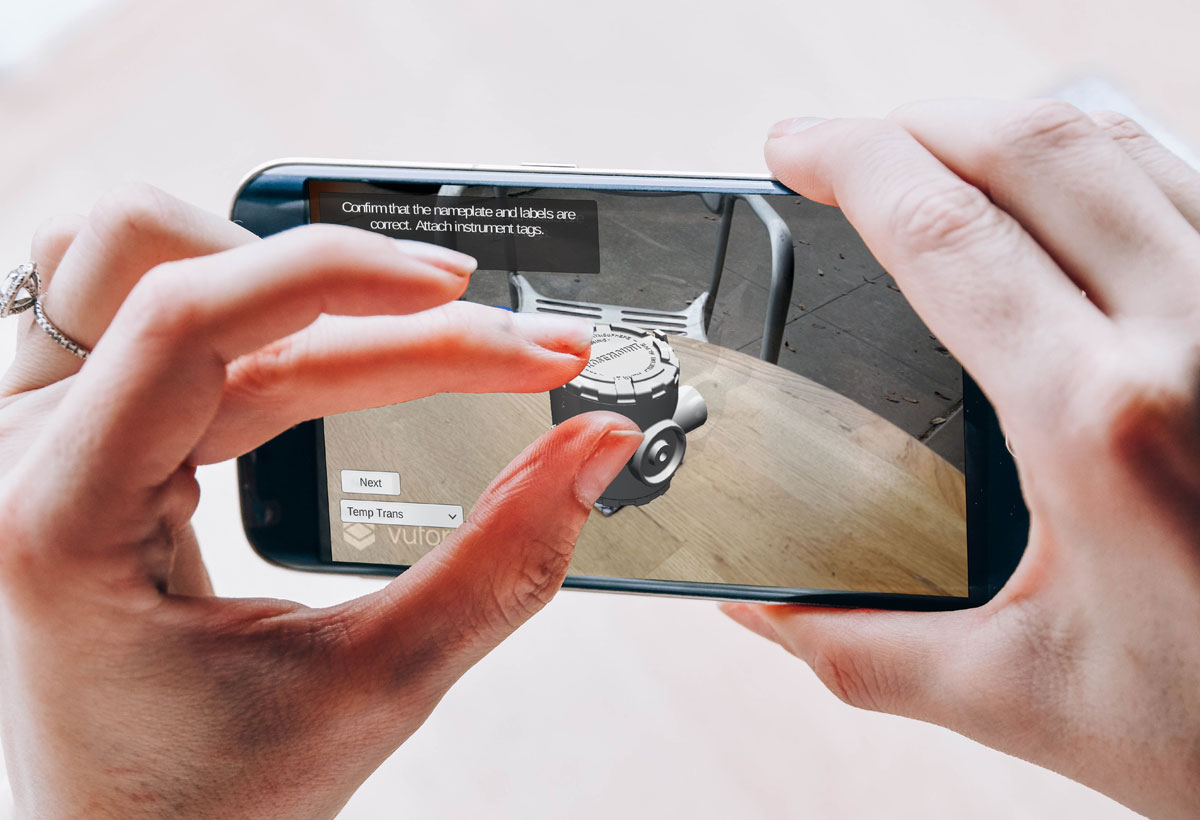
 Photo by Lorilee E on Pexels
Augmented reality has moved far beyond being a novelty. When we use it well, it can help a brand feel more interactive, more memorable, and more useful at the same time. Instead of asking people to simply look at an ad, we can give them something to do, something to explore, and something worth talking about.
That is where AR campaign ideas become valuable. The strongest ones do not rely on flashy visuals alone. They create a small moment of surprise that fits naturally into someone’s day. A product can appear in a room before a purchase. A face filter can make a social post feel playful. A printed ad can turn into a quick interactive experience. These moments are short, but they can leave a lasting mark.
To make AR work for a brand, we need more than technology. We need a clear purpose, a good fit for the audience, and a simple experience that feels easy from the first tap or scan. When those pieces come together, AR can support awareness, engagement, and even sales in a way that feels fresh instead of forced.
A lot of marketing competes for attention, but AR has a built-in advantage, it changes the relationship between the person and the content. Instead of consuming a message from a distance, people participate in it. That shift matters because active experiences tend to stick better than passive ones.
When someone sees digital content appear inside their own space, or on their own face, there is an instant sense of discovery. That feeling can make the brand moment more memorable. It also creates a stronger emotional reaction, which helps people remember what they saw.
AR also works because it feels current without needing to be complicated. Many people already know how to use a phone camera, scan a code, or tap through a social effect. That lowers the barrier to trying it. If the idea is clear and the experience is smooth, people are more likely to engage with it.
It is easy to get distracted by the novelty of AR. But the best campaigns begin with a practical question, what do we want this experience to achieve?
A campaign aimed at awareness will look different from one designed to help people buy. A playful face filter might create strong sharing, while a virtual product preview may be better for helping shoppers feel confident before they purchase. If we do not decide on the goal first, the final result can feel clever but vague.
Some common goals include:
Once we know the purpose, it becomes much easier to choose the right format, the right message, and the right call to action. That clarity also helps us avoid adding unnecessary features that slow people down.
An AR experience should feel like it belongs to the people using it. If it feels too childish, too technical, or too self-promotional, people may ignore it. The more closely we understand the audience, the easier it becomes to design something they will actually want to try.
We should ask a few simple questions before we begin:
A younger audience may respond better to a fun social filter or an interactive game. A shopper looking for a home item may care more about placing a product in a room and checking how it looks. The point is not to chase every trend, it is to match the experience to the real behavior of the audience.
There are many ways to use AR, but not every format serves every goal. A good campaign starts with the right type of interaction.
Face filters are a natural fit for platforms that already encourage self-expression. They work well for beauty, fashion, entertainment, sports, and lifestyle brands. Because they are easy to share, they can help a campaign spread quickly.
When people want to see how something looks before buying, virtual try-ons can be very helpful. This works especially well for makeup, glasses, accessories, and certain fashion items. A try-on reduces guesswork and gives people a more personal connection to the product.
This format lets users place furniture, decor, devices, or other products in their own environment. It is one of the most practical forms of AR because it helps answer a question people already have, will this fit, and will it look right here?
This approach works well for events, public activations, and retail environments. It can add a digital layer to a physical space and turn a visit into something more memorable. When people have to be there to experience it, the moment can feel more special.
A package, poster, magazine ad, or display can become a doorway into a larger experience. This works especially well when we want to extend the life of something static and give it a second purpose.
The format should always support the goal. If we want entertainment, we can lean into something playful. If we want utility, we should make the interaction solve a real problem.
AR does not need a complex story to be effective. In fact, too much complexity can make the experience feel confusing before it even gets started. The best ideas are usually clear within seconds.
A good test is to ask, can someone understand what this does almost immediately? If the answer is no, we may need to simplify the concept.
That does not mean the experience has to be boring. It means the core idea should be easy to follow. A quick reveal, a personal result, a transformation, or a small interactive challenge can be enough to make the experience feel rewarding.
We should also make sure the brand connection is obvious. The visuals, tone, colors, and interaction style should all feel like part of the same story. If the AR content looks completely separate from the brand, it may generate attention without building recognition.
Even a great AR concept can fail if people have to work too hard to access it. Convenience matters. If the entry point feels clunky, many people will simply skip it.
A few things help a lot:
People should not need a tutorial to get started. If scanning is required, we should say that clearly. If moving the phone around helps the experience work, we should explain that in a way that feels natural.
The faster people understand how to begin, the more likely they are to keep going.
Good AR is not just decoration layered over reality. It reacts to the user in some meaningful way. That interaction is what creates the feeling of engagement.
We can invite people to:
Even small actions can make a campaign feel alive. The person should feel like they are part of the experience, not just looking at it.
Personalization is especially effective. When the content changes based on the user, the experience becomes more memorable. It feels less generic and more relevant. That can be as simple as choosing a color scheme or as detailed as showing a customized product result.
AR can spread well on social media, but the shareable part should feel natural. People usually share something because it makes them laugh, surprises them, or reflects their personality. They do not share because a brand asked them to.
That means we should aim for moments that are worth showing someone else. A funny face filter, a dramatic product reveal, or a visually striking result can all work well. The experience should give people a reason to save it, post it, or send it to a friend.
When we design with sharing in mind, we should keep the outcome visually clear and emotionally strong. If the result is too subtle, it may not travel far. If it is too branded without being interesting, people may ignore it. The sweet spot is something that feels fun first and branded second.
Where the AR campaign lives matters just as much as what it does.
This is one of the easiest places to launch AR because people already expect quick, visual content here. Social platforms work especially well for filters, playful effects, and experiences designed for sharing.
AR can bring a shopping environment to life. It can help people explore products, learn more about features, or simply make the store visit more interesting.
At events, AR can create a sense of energy and novelty. It can also help a brand stand out in a crowded space where many messages are competing for attention.
This is a smart choice when we want to give physical materials a digital extension. A printed piece that triggers animation or extra content can feel unexpected in a good way.
Choosing the right placement helps the campaign feel like part of the environment rather than an add-on.
Testing is one of the most important steps, because what feels clear to us may not feel clear to someone seeing it for the first time. A small test group can reveal issues we might miss during development.
We should check:
People often behave differently than expected. They may skip instructions, miss a visual cue, or get stuck at a step that seemed obvious during planning. That is why testing matters so much. It helps us remove friction before the public launch.
Small improvements can make a big difference. A clearer prompt, a better loading sequence, or a simpler interaction can improve the whole experience.
Once the campaign is live, we need to know how it performed. Metrics help us understand whether the idea worked and where it needs adjustment.
Useful numbers may include:
It helps to look beyond raw reach. A campaign can get lots of views but very little engagement. Or it can get fewer views and much stronger interaction. The second result may be more valuable, depending on the goal.
If the purpose is awareness, sharing and reach matter. If the purpose is sales, product interaction and conversion matter more. Good measurement starts with knowing what success is supposed to look like.
A few common problems can make an AR campaign fall flat, even when the idea is strong.
If the user has to jump through too many hoops, interest drops quickly. The path should feel simple.
If the experience is interesting but disconnected from the brand, it may not support the larger campaign.
Too many effects, messages, or prompts can make the interaction feel noisy instead of exciting.
Device compatibility, speed, and comfort matter more than they may seem at first. A beautiful experience that is hard to use will lose people fast.
Keeping things clear, practical, and focused is often the smartest move.
At its core, a strong AR campaign is not just about digital effects. It is about giving people a small moment that feels useful, playful, or personal. That is what makes the experience feel human.
When we start with a clear goal, understand the audience, choose the right format, and keep the experience easy to use, AR becomes much more than a passing trend. It becomes a tool for connection.
The best campaigns do not try to impress people with complexity. They invite people in, give them something interesting to do, and leave them with a stronger sense of the brand than they had before. That is where AR becomes truly effective, not as a gimmick, but as a meaningful part of how we communicate.


Discover our other works at the following sites:
Danetsoft is a global web agency headquartered in Indonesia, specializing in web development, managed hosting, and web publishing platform.


 [email protected]
 Magelang, Central Java
 © 2026 Danetsoft. Powered by HTMLy